
You may spend months planning your wedding, but the day itself often goes by faster than you expect. So much happens between getting ready in the morning and celebrating with your loved ones at the reception that even small delays can affect the rest of the day. A thoughtful wedding day timeline helps everything stay organized, giving your vendors, wedding party, and family a clear plan while allowing you to focus on enjoying every moment.
The goal isn’t to schedule every minute. It’s to create a realistic flow that keeps your celebration moving smoothly while giving you the freedom to be fully present from beginning to end.
What Is a Wedding Day Timeline?
A wedding day timeline is a detailed schedule that outlines everything happening on your wedding day, from the moment you begin getting ready until the last event of the evening. While your ceremony and reception are the biggest parts of the day, your timeline should also include details like hair and makeup appointments, portraits, transportation, vendor arrivals, and family photos.
The goal is not to plan every minute. It’s to create a clear sequence of events so everyone involved understands where they need to be and when.
Whether you’re working with a wedding planner or organizing everything yourself, having a timeline gives your entire team a shared plan. That allows each vendor to prepare for their role while helping the day unfold with fewer interruptions.
Why Every Wedding Benefits From a Timeline
Even intimate weddings involve many moving parts. Hair stylists, makeup artists, photographers, florists, musicians, caterers, transportation providers, and venue staff all work on different schedules that need to come together throughout the day.
A timeline brings those schedules into one place.
It also gives your wedding party clear expectations. Instead of answering questions about when to leave for the ceremony or where family portraits will take place, everyone can refer to the same plan.
Most importantly, a well-organized schedule gives you more freedom to enjoy your wedding. When the logistics are already mapped out, you can focus on the people and moments that make the day meaningful.
Build Your Wedding Day Timeline Around Key Events
Your ceremony time sets the pace for the rest of the day, making it the best place to begin when building your timeline. Other fixed events, such as venue access, transportation, vendor setup, or sunset portraits, can also influence how the day unfolds.
Start by placing those non-negotiable times on your schedule before adding anything else. They create the framework for your day and make it easier to see where each event fits. As you build your timeline, leave a little flexibility between major events so small delays don’t affect the rest of your celebration.
Plan for the Moments Between the Big Events
Once you’ve placed the key events on your timeline, it’s time to fill in everything that happens around them. These smaller moments may not be the focus of your celebration, but they often determine whether the day feels relaxed or rushed.
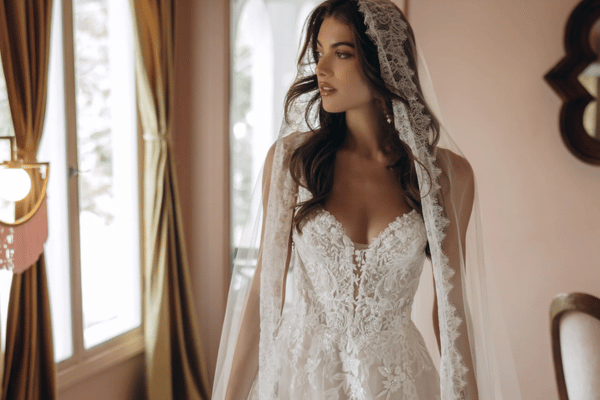
Start with the hours leading up to your ceremony. Getting dressed often takes longer than expected, especially if your gown has detailed buttons, a lace-up back, or multiple layers. Your photographer may also want time to capture your dress, shoes, jewelry, bouquet, invitation suite, and other personal details before you put everything on. If you’re planning a first look, exchanging private letters, or sharing a quiet moment with your parents, schedule those experiences before it’s time to walk down the aisle.
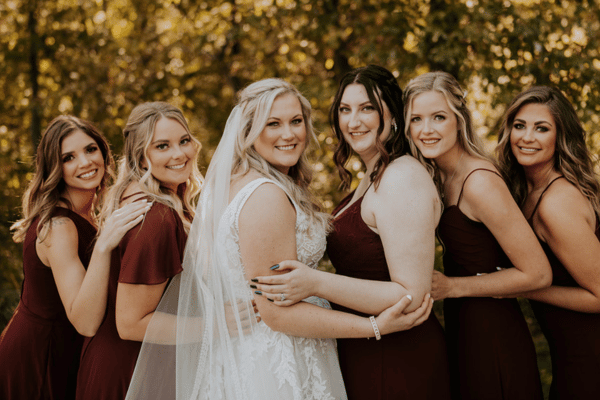
After the ceremony, remember to account for everything that happens before the reception is fully underway. Family portraits, wedding party photos, traveling between locations, bustling your gown, and greeting guests all take time. Including these transitions creates a timeline that reflects how the day actually unfolds instead of focusing only on the biggest events.
Leave Room for the Unexpected
Even the most carefully planned wedding rarely follows the schedule down to the minute. That is completely normal.
Hair and makeup may finish a little later than expected, family members might take extra time to gather for portraits, or traffic could delay transportation by a few minutes. Small changes like these happen at many weddings, which is why experienced planners and vendors avoid scheduling every event back to back.
Instead, leave short gaps between major parts of the day. Those extra minutes help absorb small delays before they affect the rest of the celebration. If everything stays on schedule, you’ll simply have more time to relax, freshen up, or enjoy a quiet moment with your partner.
Work With Your Wedding Vendors
Your timeline should not be something you create on your own and send out at the last minute. The professionals you’ve hired can help make it more realistic because they understand how long different parts of the day usually take.
Your photographer can recommend how much time to reserve for portraits and detail photos. Your planner or venue coordinator can help organize arrivals, setup, and the flow of the ceremony and reception. Your DJ or band can suggest the best timing for introductions, speeches, and special dances, while your caterer will coordinate meal service around the evening’s events.
Sharing your schedule with everyone ahead of time allows each vendor to prepare for their role. It also helps them work together throughout the day, creating a smoother experience for you and your guests.
Common Wedding Day Timeline Mistakes to Avoid
A few simple planning mistakes can make the day feel more rushed than it needs to be. Knowing what to watch for makes it easier to create a schedule that works from beginning to end.
Starting the morning too late
Getting ready often takes longer than expected because it includes much more than hair and makeup. Allow enough time for getting dressed, photos, and the meaningful moments you want to enjoy before leaving for the ceremony.
Forgetting travel and transition time
Driving between locations is only part of the journey. Guests need time to park, vendors need time to unload equipment, and your wedding party may need a few minutes to gather before the next event begins.
Scheduling too many formal photos at once
Long portrait sessions can become tiring for both you and your guests. Work with your photographer to organize the photo list and decide when to photograph each group before or after the ceremony.
Waiting until the final week to share the schedule
Your vendors need time to review the timeline and raise any concerns before the wedding day. Sending it in advance gives everyone the opportunity to prepare and helps avoid last-minute changes.
A Timeline Should Support Your Day, Not Control It
A good timeline creates structure without taking away the joy of the day. It keeps everyone moving in the same direction while giving you the confidence to enjoy each moment as it happens.
The goal is not to fill every minute with an activity. It is to create enough space for the moments that matter, whether that is sharing a quiet conversation before the ceremony, laughing with your wedding party while getting ready, or spending more time celebrating with the people you love.