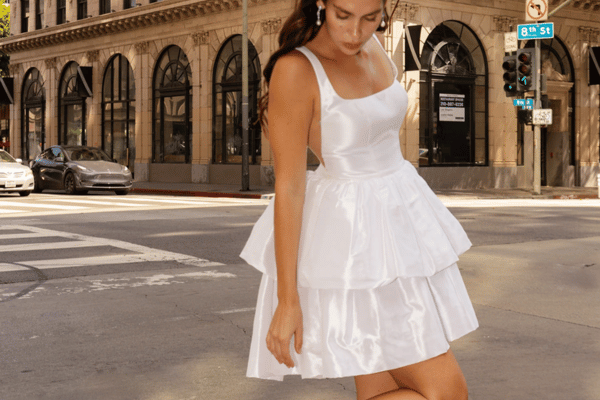

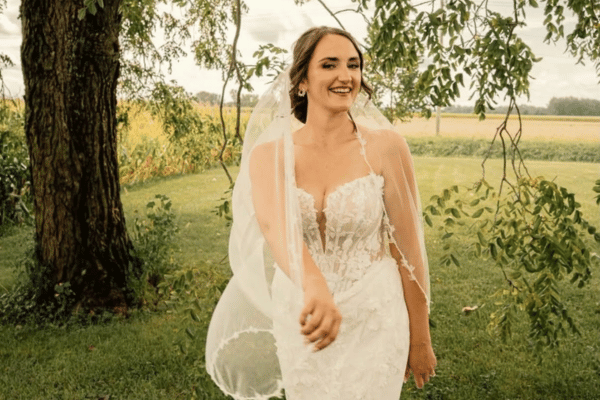
You found the wedding dress you love, but now you are wondering what you should wear underneath it. Finding the right undergarments can be surprisingly tricky once you factor in the dress you chose. The neckline, back, fabric, and fit can all affect your options. If you are still figuring out what to wear under wedding dress styles, here is what to consider before your next fitting.
Start With Your Wedding Dress
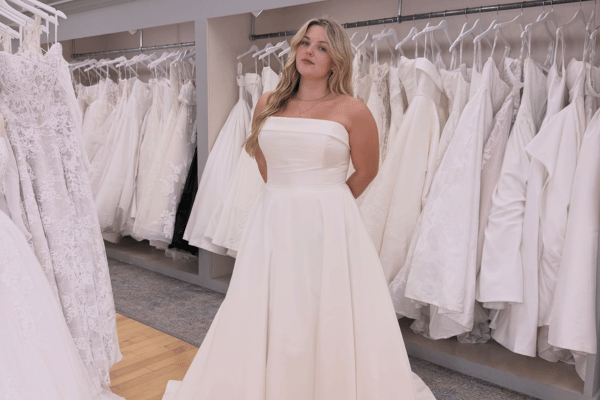
Your wedding dress should guide your undergarment choice. Different necklines, fabrics, and silhouettes require different types of support and coverage.
A fitted mermaid gown may need seamless shaping pieces, while a strapless ball gown may work better with a supportive strapless bra or built-in cups. A dress with an illusion neckline may require an entirely different approach.
Think about the construction of your gown when choosing undergarments. The goal is to support your shape while keeping everything underneath smooth and invisible.
Consider the Neckline and Back
Your dress neckline determines how much of your bra can show. A plunging neckline may require a low-cut bra or sewn-in cups, while a high neckline gives you more flexibility.
The back matters just as much. Low-back wedding dresses can make traditional bras difficult to wear without the straps or band becoming visible. In these cases, adhesive cups, low-back solutions, or built-in support may work better.
What to Wear Under Your Wedding Dress
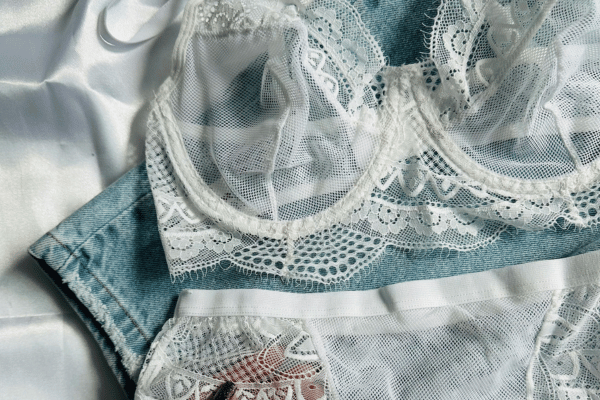
The best choice depends on the specific construction of your gown. You may not need traditional lingerie at all if your dress already provides enough support.
Strapless Wedding Dresses
A strapless gown often benefits from a strapless bra with a secure band and enough structure to keep you supported throughout the day. Look for a style that stays in place without digging into your skin.
Some strapless wedding dresses also include built-in cups or corsetry. If your gown already provides strong support, adding another structured layer may create unnecessary bulk.
Backless and Low-Back Dresses
A backless wedding dress limits your traditional bra options because the band can become visible. Adhesive cups can provide coverage without interrupting the open-back design.
Your seamstress may also recommend adding cups directly into the gown. This option creates a clean finish and keeps your support exactly where the dress needs it.
Plunging Necklines
A deep V neckline requires careful attention to where your bra cups and center gore sit. A standard bra may peek above the neckline or become visible when you move.
Low-plunge bras, plunge inserts, or built-in cups can provide support while preserving the shape of the neckline. Try sitting, bending, and moving your arms during your fitting to make sure everything stays covered.
Fitted and Crepe Wedding Dresses
Smooth fabrics such as crepe can reveal seams, edges, and textured materials more easily than a fuller skirt. Seamless underwear can create a cleaner line beneath these gowns.
High-waisted briefs or smoothing shorts may also work well under a fitted silhouette. Choose light to moderate compression if you want shaping without feeling restricted.
When Should You Wear Shapewear?
Shapewear can smooth your silhouette, but you do not need it simply because you are wearing a wedding dress. If your gown already creates the shape you want, adding compression may not provide much benefit.
If you choose shapewear, focus on the areas you want to smooth rather than choosing the most restrictive option available. A comfortable piece that fits correctly will usually serve you better than one that feels overly tight.
Pay attention to the hemline as well. Shapewear should not create a visible edge beneath your dress, especially if you are wearing a fitted gown.
Should You Wear a Bra With Your Wedding Dress?
Not every wedding dress requires a traditional bra. Many bridal gowns include cups, boning, corsetry, or other internal construction that provides support.
Your bust size, dress design, and personal preference all play a role in the decision. Some brides feel more secure wearing a bra, while others prefer the clean fit of built-in support.
If your dress has cups sewn into the bodice, try the gown without a separate bra before deciding. You may find that the dress already gives you the lift and coverage you want.
Choose Undergarments That Match Your Dress Fabric
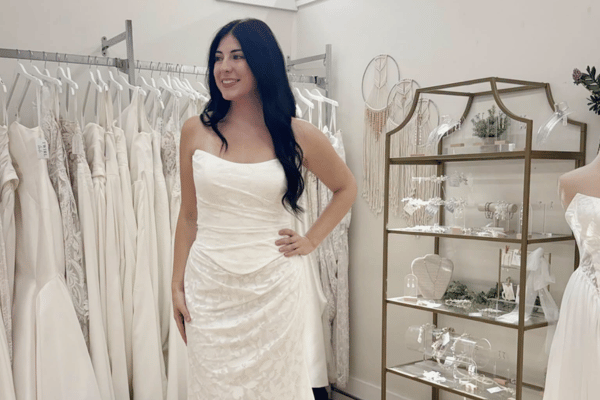
Fabric can affect how visible your undergarments look beneath the gown. Lightweight fabrics tend to show more detail, especially when the dress fits closely against your body.
Smooth, lightweight underwear generally works well beneath satin, crepe, silk, and other sleek fabrics. Avoid thick elastic, bulky seams, and textured materials when your dress has a close fit.
For gowns with lace, tulle, beading, or multiple layers, you may have more flexibility. Even so, choose pieces that sit comfortably against your skin and do not interfere with the gown’s construction.
Think About Your Wedding Day, Not Just Your Fitting
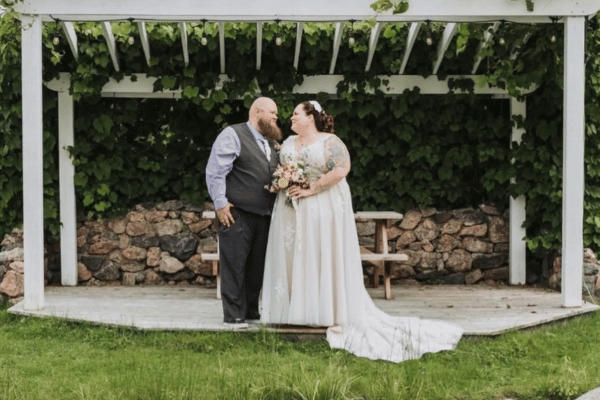
Your undergarments need to work beyond the bridal appointment. You may spend hours sitting, standing, dancing, taking photos, and moving around your reception.
Choose pieces that stay securely in place without constant adjusting. Check for areas that pinch, roll, slip, or create pressure after you have worn them for a while.
It also helps to consider bathroom breaks. Complicated shapewear or difficult closures can become frustrating when you need to use the restroom during a long wedding day.
Bring the Right Undergarments to Your Bridal Fitting
You do not need to purchase every undergarment before your first appointment. Your bridal consultant can help you understand what your gown requires once you try different styles.
For fittings, bring neutral undergarments that give you a good idea of how the dress will sit against your body. Nude tones often work well under lighter gowns, while seamless styles make it easier to see the gown’s true fit.
Once you choose your dress, you can refine your undergarment options based on the gown’s neckline, back, fabric, and internal structure. Your seamstress can also advise you if the dress would benefit from added cups, additional support, or alterations to the bodice.
Find the Right Fit From the Inside Out
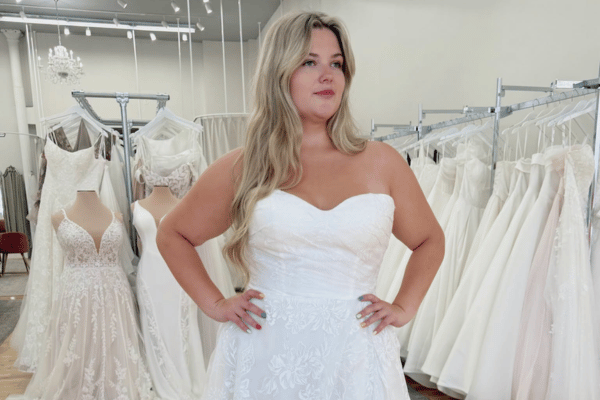
The right undergarments should feel comfortable and stay in place without distracting you from your dress. You should be able to sit, walk, dance, and move through your wedding day without worrying about straps showing, seams digging in, or shapewear shifting. Once you have those details sorted out, you can simply enjoy wearing your gown.
Your bridal appointment is a good time to talk through these details, especially if you are unsure what will work with the gown you love. At Twirl Bride, the bridal team can help you understand how different gown designs affect fit, support, and what you may want to wear underneath. Schedule an appointment to find your dress and get guidance along the way.