
The dress you fall in love with rarely fits perfectly the first time you try it on. That is completely normal. Designers create wedding gowns with structure and intention, but they still need adjustments to fit you perfectly.
This is where alterations come in. It is also where many brides start to feel unsure about pricing. The numbers can vary, and it is not always clear what you are paying for.
Understanding wedding dress alterations cost helps you approach fittings with clarity. When you know what goes into the process, the pricing begins to make sense.
This guide breaks down what affects alteration pricing, what you can expect, and how to plan for it with confidence.
What Does Wedding Dress Alterations Cost Include?
Wedding dress alterations cost is not just about taking in a seam or shortening a hem. It reflects the time, skill, and precision required to reshape a structured garment.
Every adjustment requires careful handling. Bridal fabrics can be delicate, layered, and detailed. A simple change on the surface may involve multiple layers underneath.
You are paying for craftsmanship. Skilled seamstresses understand how to preserve the design while improving the fit. They work with lace, boning, beading, and complex construction.
You are also paying for time. Alterations often involve several fittings. Each visit allows for adjustments and refinements until the gown fits just right.
When you look at alterations through this lens, the cost becomes easier to understand.
Why Alterations Cost Varies
No two gowns are the same. Because of this, wedding dress alterations cost can vary widely from one bride to another.
Fabric and Construction
Heavier fabrics like satin or mikado require different handling than lightweight chiffon or tulle. Structured gowns often take more time to adjust.
Lace and beading add another layer of complexity. If a seam runs through detailed areas, the seamstress must remove and reattach elements carefully.
Type of Alterations Needed
A simple hem is very different from reshaping a bodice. The more structural the change, the more time it requires.
Common alterations include:
- Taking in or letting out the bodice
- Adjusting straps or sleeves
- Adding cups or support
- Creating a bustle
Each adjustment has its own level of difficulty.
Number of Layers
Wedding dresses often include multiple layers. Adjusting the outer layer may require matching changes underneath.
More layers mean more time. This directly affects the total cost.
Timeline
If you need rush alterations, pricing may increase. Seamstresses often adjust their schedule to accommodate tighter timelines.
Planning ahead helps you avoid extra fees.
Common Alterations and What They Involve
Understanding what each alteration includes can help you better anticipate costs.
Hemming the Dress
Hemming adjusts the length of your gown so it sits properly with your shoes.
This may seem simple, but it often involves multiple layers. Each layer is carefully measured and cut precisely.
If your gown has lace or detailed edging, the hem becomes more complex. The seamstress may need to preserve the original pattern.
Taking In or Letting Out the Bodice
This is one of the most common alterations. It shapes the gown to your body.
Boning, lining, and outer fabric all need adjustment. The goal is to maintain structure while improving fit.
Bustle Creation
A bustle lifts your train for the reception. It allows you to move comfortably after the ceremony.
There are different types of bustles. The design depends on your gown’s fabric and train length.
Creating a bustle requires planning and precision. It should feel secure and blend into the gown.
Strap and Sleeve Adjustments
Straps may need shortening or repositioning. Sleeves may need slight reshaping.
These changes affect how the gown sits on your shoulders. Even small adjustments can improve comfort significantly.
Adding Support
Some gowns require additional support. This may include cups or internal structure.
These adjustments help the dress stay in place throughout the day.
What You Are Really Paying For
It helps to shift your perspective from cost to value.
Skilled Labor
Bridal alterations require expertise. This is not standard tailoring.
A seamstress must understand how to work with delicate fabrics and structured designs. Precision matters at every step.
Attention to Detail
Small details make a big difference. A well-fitted gown should feel natural and comfortable.
Every seam, stitch, and adjustment contributes to the final result.
Multiple Fittings
Alterations are a process. Each fitting allows for adjustments based on how the dress sits on your body.
This step-by-step approach ensures the best possible fit.
Preservation of Design
A good seamstress maintains the integrity of the gown. They adjust the fit without compromising the original design.
This balance requires both technical skill and artistic judgment.
How to Budget for Wedding Dress Alterations
Planning ahead makes the process much easier.
Set Aside a Realistic Budget
Alterations are a separate cost from your dress, so it is important to account for them early. Having a budget in mind also helps you make more informed decisions during fittings.
Ask Questions Early
When you purchase your gown, ask about typical alteration ranges to get a starting point. You do not need exact numbers right away, but having a general idea is helpful.
Prioritize Fit
A well-fitted gown can completely change how you feel on your wedding day. It is worth investing in adjustments that improve both comfort and confidence.
Tips to Keep Alteration Costs Manageable
While alterations are necessary, there are ways to keep costs within reason.
Choose the Right Size
Ordering a gown close to your measurements reduces the amount of work needed, which can help lower overall costs.
Keep Design Changes Minimal
Major design changes require more time and skill. Focusing on fit instead of transformation helps maintain both your budget and the original design.
Plan Your Timeline
Starting early helps you avoid rush fees and gives you enough time for multiple fittings. This allows the process to move at a comfortable pace.
What to Expect During Your Fittings
Understanding the process can make your experience more comfortable.
First Fitting
This is where the seamstress evaluates the fit of your gown and discusses your goals. Pins and markings help guide the first round of adjustments.
Follow-Up Fittings
These appointments focus on refining the fit. Each visit brings your gown closer to the final result, and you may start to notice small improvements.
Final Fitting
This is your last check before the big day. Your gown should feel comfortable and secure, and you will learn how to manage your bustle and movement.
How Fit Affects Your Overall Look
Fit is one of the most important parts of your bridal look.
A well-fitted gown enhances your shape and allows you to move with ease. It also improves how the dress photographs, since clean lines and proper structure create a more polished appearance.
Even the most beautiful gown benefits from proper alterations.
Bringing It All Together
Wedding dress alterations cost reflects more than simple adjustments. It represents the craftsmanship, time, and care that go into perfecting your gown.
When you understand what you are paying for, the process feels more transparent. You can approach fittings with realistic expectations and a clear plan.
Your wedding dress should feel like it was made for you. Thoughtful alterations make that possible.
Finding the Right Support at Twirl Bride
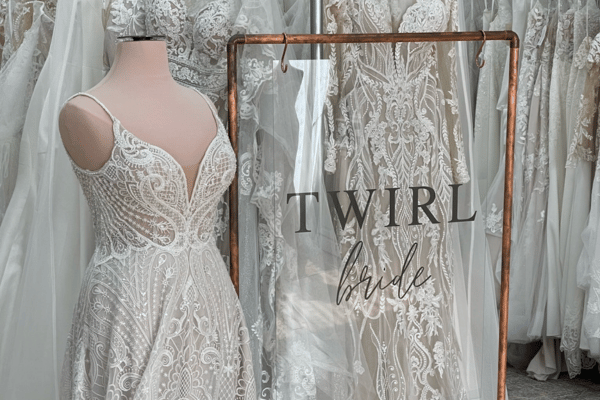
If you are beginning your wedding dress journey, having the right guidance makes a difference.
At Twirl Bride, we help you explore gowns that align with your vision, body, and overall wedding aesthetic. We support you through the alterations process, so your gown comes together exactly as it should.
Book your appointment to start your search with confidence and clarity.