
You wear one size in jeans, another in dresses, and maybe something completely different depending on the brand. Then you walk into a bridal appointment and find out your wedding gown could be two sizes larger than what you normally wear. For many brides, that feels confusing at first.
The truth is that wedding dress sizing works differently from regular clothing. Bridal designers use their own sizing charts, and the numbers often do not match standard retail sizes. Understanding this early can help you feel more confident and informed during the shopping process.
Before ordering your gown, it helps to know how bridal sizing works, how consultants choose your size, and why the fit matters more than the number on the tag.
Why Wedding Dress Sizes Feel Different
Most brides expect wedding dresses to fit like regular clothing, but bridal sizing works differently.
Many bridal designers still use older sizing charts, while everyday fashion brands often use vanity sizing with smaller numbers. That is why someone who normally wears a size 6 may wear a bridal size 10 or 12 instead.
Sizing also changes between designers. A size 10 in one bridal brand may fit very differently from a size 10 in another. That variation is completely normal, and one reason bridal sizing can feel confusing during appointments.
Bridal Sizing Uses Measurements
When you order a gown, bridal consultants focus on your measurements rather than your usual clothing size.
The three main measurements are:
- Bust
- Waist
- Hips
Your stylist compares those measurements to the designer’s size chart. Most brides do not match one size perfectly across all three areas.
For example, you may measure:
- Size 8 in the bust
- Size 10 in the waist
- Size 12 in the hips
In most cases, consultants recommend ordering the size that matches the largest measurement. This gives your seamstress enough fabric to tailor the gown properly during alterations.
Why the Largest Measurement Matters
Wedding gown designers build dresses very differently from everyday clothing. Many dresses include a structure that affects how the gown fits your body, including:
- Boning
- Corsetry
- Built-in cups
- Structured seams
- Multiple fabric layers
Bridal gowns have a highly structured design, so seamstresses can usually take a dress in more easily than let it out. If a gown is too tight in the hips or waist, there may not be enough extra fabric to expand it.
That is why consultants prioritize the largest measurement when ordering. It gives alterations more flexibility and increases the chances of achieving the best fit later.
Different Silhouettes Fit Differently
The silhouette of a gown also affects sizing and fit. Two dresses with the same size label can feel completely different depending on the style.
Mermaid and Fit-and-Flare Dresses
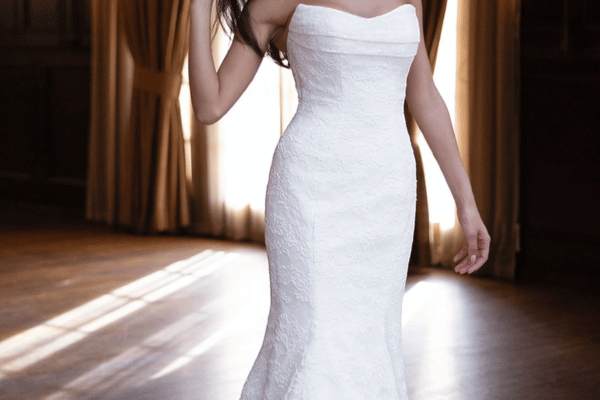
These gowns fit closely through the hips and thighs, so hip measurements play a major role in how the dress fits and feels.
Ball Gowns and A-Line Dresses
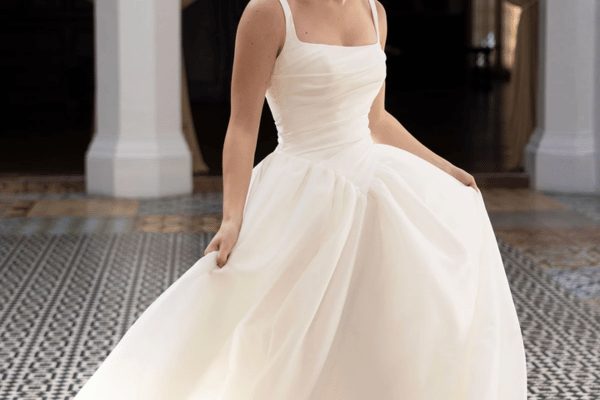
These silhouettes provide more room through the lower body because the skirt flares outward instead of fitting tightly around the hips.
Sheath Dresses
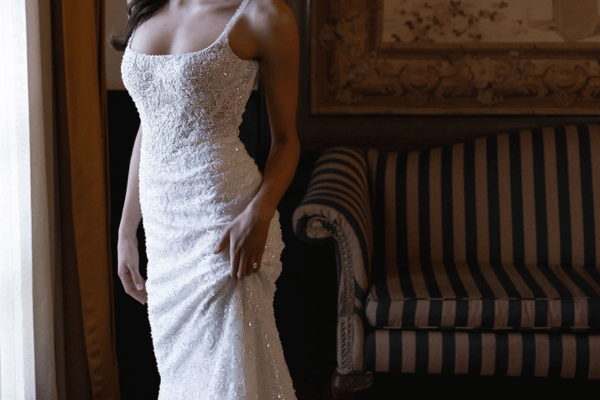
Sheath gowns skim the body from top to bottom, so balanced measurements matter more for a smooth fit. Because of this, your stylist may choose a different size depending on the silhouette.
Why You Should Not Focus on the Number
Many brides feel emotional when they hear their bridal size for the first time, and that reaction is completely normal.
Bridal sizing has nothing to do with your worth, beauty, or body shape. The number is only used to create standardized gowns.
No one at your wedding will see the size tag. What matters is how the dress fits you and how confident you feel in it. In bridal fashion, fit always matters more than the number.
Alterations Are Part of the Process
Very few wedding dresses fit perfectly straight off the rack. Alterations are a normal part of the bridal experience for almost every bride.
A professional seamstress customizes the gown to your body by adjusting areas such as:
- Straps
- Bust support
- Waist definition
- Hem length
- Sleeves
- Train length
These adjustments help the gown feel more comfortable, supportive, and flattering. Alterations are what transform the dress from a sample into something that feels uniquely yours.
Common Wedding Dress Sizing Mistakes
Understanding a few common mistakes ahead of time can make the shopping process much less stressful.
Ordering a Smaller Size “Just in Case”
Some brides plan to lose weight before the wedding and consider ordering a smaller size.
This often leads to stress later, since gowns are easier to take in than to let out. If the dress is too small, there may not be enough fabric for proper alterations.
Bridal consultants usually recommend ordering based on your current measurements, not a future goal. If your body changes slightly, alterations can still fine-tune the fit.
Comparing Bridal Sizes to Retail Sizes
Bridal sizes do not match jeans or everyday dress sizes.
Retail brands use different measurement systems, so comparing them only causes confusion. Treat wedding gown sizing as its own category.
Ignoring Fabric Structure
Fabric affects fit more than many brides expect.
Structured satin gowns fit differently from lightweight chiffon or stretch crepe. Some fabrics feel firm and structured, while others drape and move easily with the body.
That is why two gowns in the same size can still feel very different when you try them on.
What Happens If Your Measurements Change?
Many brides start shopping months before their wedding, so small body changes are normal.
Professional alterations can usually handle minor size changes by:
- Taking in the waist
- Adjusting straps
- Improving bust support
- Refining the overall shape
Major size changes can affect a gown’s structure and proportions, which can make alterations more difficult.
That is why it is best to order based on your current measurements.
Timing Matters
Wedding gowns often take several months to arrive after ordering, depending on the designer and style.
You also need enough time for:
- Delivery
- Multiple fittings
- Alterations
- Final adjustments
Ordering early gives you more flexibility and reduces last-minute stress. It also gives your seamstress enough time to perfect the fit before the wedding day.
How Bridal Consultants Help
A bridal consultant does more than pull dresses from a rack. They guide you through sizing, fit, structure, and alterations so you understand how each gown will work on your body.
Experienced stylists understand:
- Which designers run small
- Which silhouettes fit differently
- How certain fabrics behave
- What alterations are possible
They do not try to fit you into the smallest size. They focus on achieving the best fit after alterations.
Wedding Dress Sizing for Plus-Size Brides
Plus-size bridal sizing follows the exact same principles as all bridal sizing. Measurements determine the size, not retail clothing labels.
The focus should always stay on:
- Comfort
- Support
- Movement
- Confidence
- Proper tailoring
A well-fitted gown should support your body comfortably and help you feel secure and confident throughout the day.
During appointments, stylists often clip or pin sample dresses to show how the gown will look when properly fitted to your body. This is completely normal, especially since boutiques cannot carry every dress in every size.
How to Feel More Confident While Shopping
Wedding dress shopping can feel emotional, especially when bridal sizing enters the conversation. A few mindset shifts can make the experience much easier.
Focus on Fit
A perfectly tailored gown always looks better than a poorly fitting dress with a smaller number on the tag.
Wear Proper Undergarments
Supportive undergarments help stylists take more accurate measurements and give you a better sense of how the gown will fit.
Keep an Open Mind
Many brides fall in love with silhouettes they never expected to wear. Different styles can completely change how your proportions look and feel.
Trust the Process
Your gown goes through multiple stages before the final result:
- Ordering
- Production
- Delivery
- Alterations
- Final fitting
When you understand the process, dress shopping becomes more relaxed and enjoyable.
Finding the Right Fit Starts With the Right Guidance
At Twirl Bride, stylists guide you through each step, from measurements and silhouettes to fittings and final adjustments. The focus is on helping you find a gown that feels comfortable, flattering, and true to your style.
Book your appointment to explore styles, understand your fit, and find a gown you love.