
Choosing your bridesmaid colors shapes the entire look and feel of your wedding day. These colors show up in your photos, influence your florals, and help tie everything together in a way that feels intentional. It is not just about picking shades you like. It is about creating a palette that reflects your style while still feeling cohesive from ceremony to reception.
If you are wondering how to choose bridesmaid colors without second-guessing every option, it helps to understand what actually affects that decision. Once you know what to look for, the process becomes much easier to navigate.
Why Bridesmaid Colors Matter More Than You Think
Your bridesmaid colors influence how polished and intentional your wedding details feel. Even small shifts in tone can change how your bouquet stands out, how your decor layers together, and how your overall styling feels.
Color influences mood in a subtle but powerful way. When you choose the right palette, everything starts to feel aligned without trying too hard.
You also want your colors to photograph well. Certain shades can look different in natural light versus indoor lighting. This matters when you think about how your wedding album will look years from now.
TIP: If you need ideas for your overall aesthetic, you might find it helpful to explore the 2026 wedding color trends. It can give you a sense of what feels current while still leaving room for your personal style.
How to Choose Bridesmaid Colors Based on Your Wedding Setting
Your venue plays a bigger role than you might expect. The environment already has its own colors, textures, and lighting. Your bridesmaid palette should work with that, not compete against it.
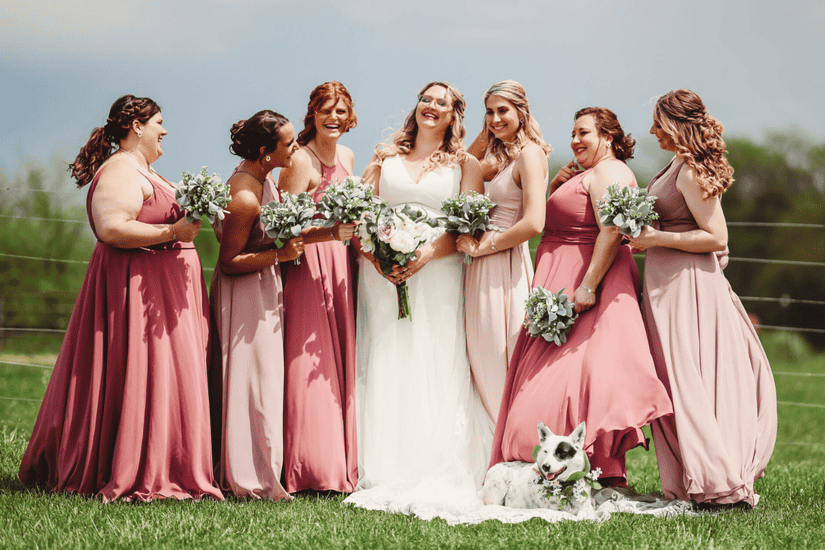
An outdoor garden wedding often pairs well with softer tones like sage, blush, or dusty blue. These shades feel natural against greenery and open skies. A ballroom setting usually allows for richer tones like emerald, navy, or champagne. These colors work well in a more formal space.
Your wedding season can also affect your color choices. Spring leans into fresh and airy palettes, while summer often feels right with brighter or sun-washed tones. Fall brings in warm, earthy shades, and winter tends to suit deeper or more muted tones.
Start with Your Wedding Dress
Your dress should always come first. It is the centerpiece of your look, and everything else should support it.
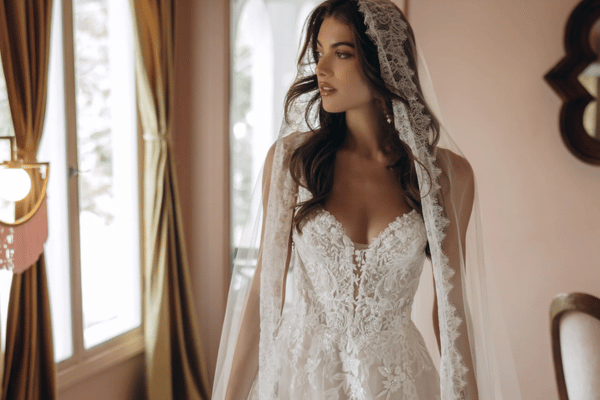
A soft ivory gown pairs beautifully with muted or romantic tones. A bright white dress can handle more contrast, which allows for bolder color choices. If your dress has unique details like lace, beading, or texture, you want to make sure your bridesmaid colors do not compete with it.
Think about how your dress feels. Is it light and airy or structured and dramatic? Your bridesmaid colors should echo that same feeling.
If you are still refining your dress vision, revisiting A Bride’s Guide to the Different Styles of Wedding Dresses and Silhouettes can help you better understand how your gown influences the rest of your styling choices.
Consider Skin Tones and Comfort
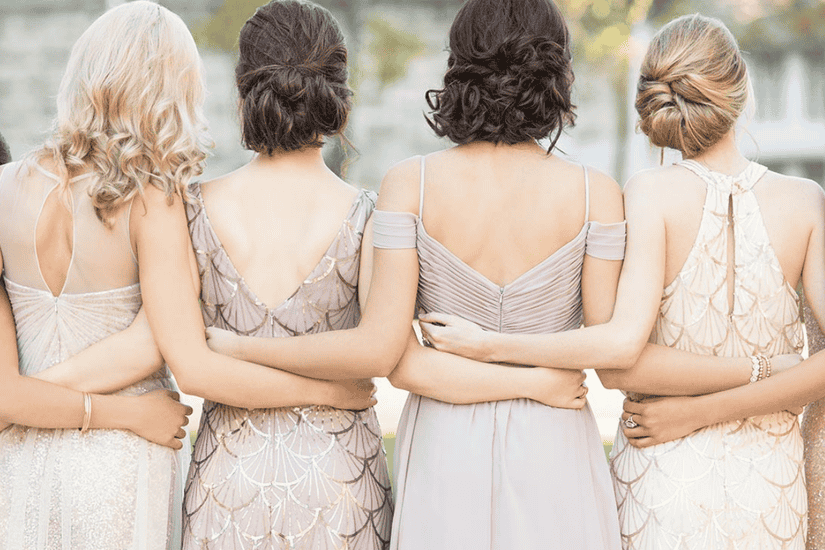
One of the biggest concerns brides have is making sure their bridesmaids feel confident. Some shades feel more flattering, while others can feel limiting depending on how they sit against the skin.
Instead of choosing a single shade, you might consider a color family. This allows each bridesmaid to wear a tone that suits her best while still staying within your palette.
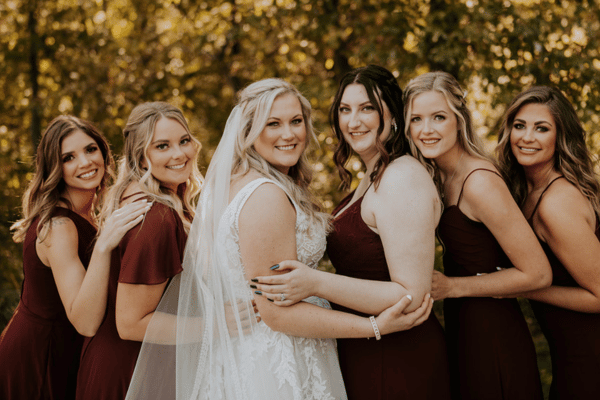
Neutrals like champagne, taupe, and soft gray tend to be universally flattering. Jewel tones like burgundy, emerald, and navy also work well across different complexions.
Comfort matters just as much as appearance. When your bridesmaids feel good in what they are wearing, it shows. Their confidence becomes part of the overall energy of your wedding day.
If you are open to flexibility, you might enjoy exploring ideas from how to mix and match bridesmaid dresses without losing the cohesive look. It shows how variation can still feel polished and intentional.
Think About Your Overall Color Palette
Your bridesmaid dresses should not exist in isolation. They are part of a larger visual story that includes your flowers, decor, stationery, and even your cake.
Start by choosing two to four core colors. One should be your main shade, while the others act as supporting tones. This keeps everything balanced without feeling overwhelming.
You do not need everything to match perfectly. In fact, slight variation often looks more natural and elevated. The goal is harmony, not perfection.
How to Choose Bridesmaid Colors That Photograph Beautifully
Photos last long after the wedding day, so it helps to think about how your colors will translate on camera.
Highly saturated colors can sometimes appear darker in photos. Very light tones can wash out in bright sunlight. Mid-tones often strike the best balance.
Texture also plays a role. Matte fabrics absorb light differently than satin or chiffon. This affects how the color appears in your images.
You might want to request fabric swatches and view them in different lighting conditions. Natural light, indoor lighting, and evening light can all shift how a color looks.
Your photographer may also have insight based on past weddings. It never hurts to ask which colors have looked best in their photos.
Avoid Common Mistakes When Choosing Bridesmaid Colors
It is easy to get overwhelmed by options, especially when you want everything to feel just right. Knowing what to avoid can make the process smoother.
One common mistake is choosing a color too early. If you have not finalized your venue or dress, your palette might need to change later.
Another mistake is trying to match everything exactly. This often feels forced. A more relaxed approach usually looks more natural.
Ignoring fabric can also lead to unexpected results. The same color can look completely different depending on the material.
Lastly, avoid choosing a color that only works for your vision but not for your bridesmaids. You want a look that feels cohesive while still considering the people wearing it.
Coordinating with the Rest of the Bridal Party
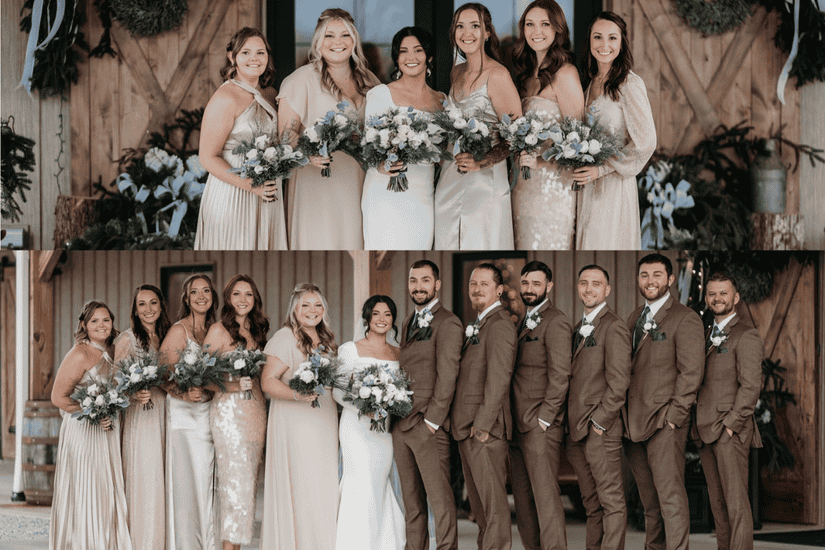
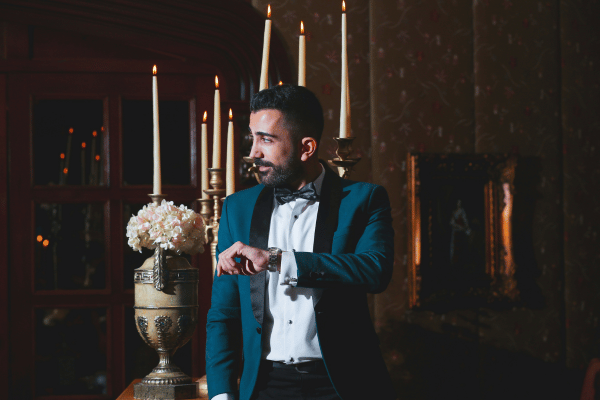
Your bridesmaid colors should complement the rest of your wedding party. This includes the groom, groomsmen, and even family members if they are part of the visual lineup.
Think about how the suits or tuxedos will pair with your chosen palette. Neutral suits tend to work well with most colors, while darker suits create more contrast.
If you want a more polished look, you can explore ideas from how to coordinate tuxedo colors with bridesmaid dresses and wedding themes. It helps bring everything together in a way that feels cohesive without everything looking exactly the same.
Trust Your Instincts and Keep It Personal
At the end of the day, your wedding should feel like you. Trends can inspire you, but they should not define your choices.
If you love a certain color, there is usually a way to make it work. It might just require adjusting the tone, pairing it with complementary shades, or choosing the right fabric.
You also do not need to overcomplicate the process. Once something feels right, trust that instinct. Overthinking can take the joy out of what should be an exciting part of planning.
Bringing Your Vision Together
At Twirl Bride, you can explore styles, fabrics, and color pairings in a way that feels intentional and personalized. You will be able to see how your dress, your bridesmaid colors, and your overall vision connect in one place.
If you are ready to take the next step, book your appointment and start bringing your wedding day look together with confidence.