
Your wedding day is one of the most photographed moments of your life. Every detail you choose becomes part of a visual story that reflects your style as a couple. While most brides focus first on finding the gown, the groom’s look is just as important when it comes to creating photos that feel cohesive, polished, and timeless. That is where coordinating wedding looks becomes more than an aesthetic choice. It becomes a way to visually express the unity you are celebrating.
Coordinating does not mean matching outfits or looking overly styled. It is about creating a shared visual language. Your outfits should flow together, connect naturally in photos, and reflect your personalities. With the right approach, you can create a bridal and groom aesthetic that feels intentional from head to toe.
Below is your guide to successfully coordinating wedding looks with confidence and style. Whether you are aiming for classic, modern, romantic, or bold, these tips will help you create a wedding album filled with photos where you and your partner look perfectly in sync.
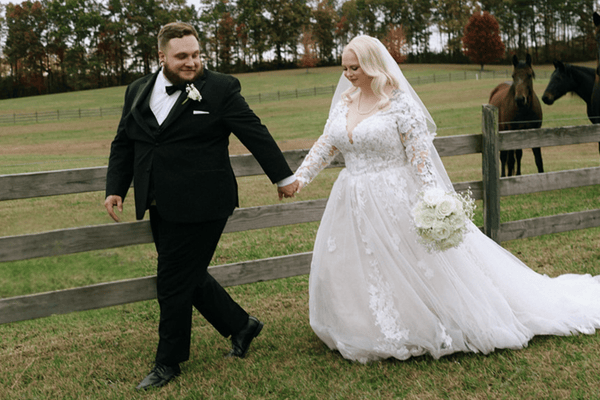
Why Coordinating Wedding Looks Matters
You and your partner are the focal point of the day. When your outfits complement each other, your photos instantly feel richer, more harmonious, and more visually cohesive. Coordinating wedding looks also helps create visual balance. The right choices ensure both of you appear polished and beautifully aligned.
Good coordination also sets the tone for the entire bridal party. When your look ties in seamlessly with your partner’s, it becomes easier to build a cohesive aesthetic for bridesmaids, groomsmen, and even family members.
Most importantly, coordinated looks create emotional continuity. Your outfits represent your shared vision, your personalities, and the story you want your photos to tell.
1. Start With Your Overall Wedding Style
Before diving into your wedding day attire, think about the overall look and feel of your celebration. The setting, color palette, and theme all influence the direction of your bridal and groom styling.
A few examples include:
Modern minimalism:
Clean lines, structured silhouettes, polished fabrics, and simple accessories.
Soft romantic:
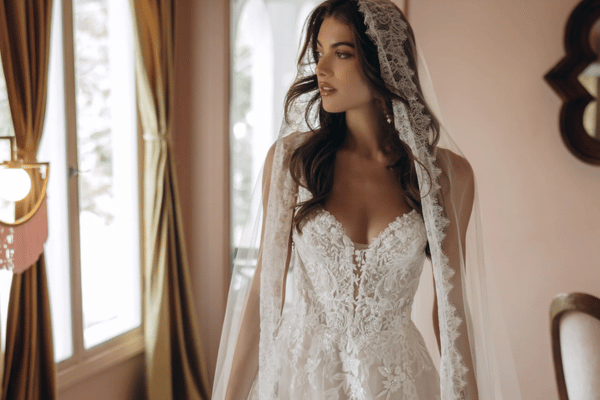
Flowing tulle, layers, delicate textures, gentle color palettes, and organic floral details.
Classic elegance:
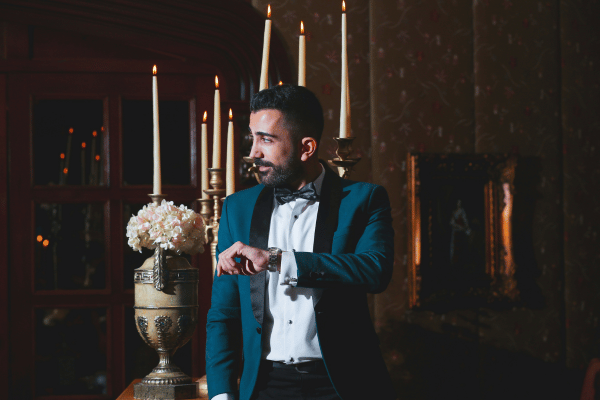
Timeless tailoring, traditional necklines, black tuxedos, cathedral veils, and refined accessories.
Boho or nature inspired:
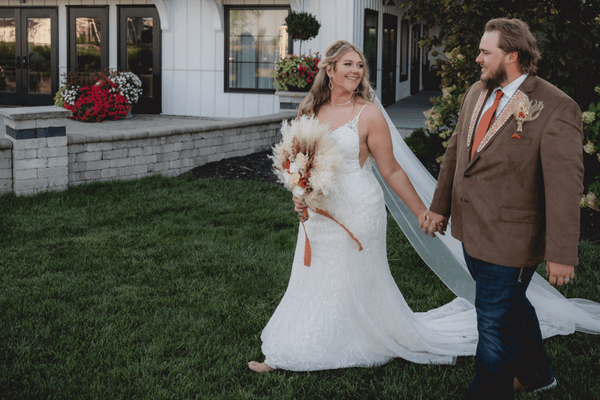
Effortless silhouettes, earthy tones, natural fabrics, and loose, unstructured styling.
When you have clarity on your wedding style, it becomes easier to coordinate your looks so that they feel like they belong in the same world. Your outfits should echo the same mood, even if they are very different pieces.
2. Choose Your Dress First Then Build Around It
In most weddings, the bridal gown sets the visual direction. Your dress usually has more intricate details, standout fabrics, and stronger character. Because of this, many couples begin coordinating wedding looks by selecting the gown first.
This gives you a solid anchor.
Once the gown is chosen, your partner can choose colors, fabrics, and tailoring that complement your dress without overpowering it. For example:
- A heavily beaded gown pairs beautifully with a sleek, simple tux or suit.
- A minimalist crepe gown works well with a timeless black tuxedo or a tailored suit with understated details.
- A romantic lace gown blends effortlessly with soft textures in the groom’s attire, like a matte tie or natural tone suit.
- A dramatic satin ball gown can be balanced by a classic ivory dinner jacket or deep black tailoring.
Coordinating wedding looks becomes much easier when the dress acts as your north star.
3. Use Fabrics and Textures to Create Visual Harmony
Color is not the only way to connect your looks. Texture and fabric can quietly tie your outfits together in subtle, high end ways.
Think about:
Satin and silk.
If your dress has a satin finish, the groom can echo that polished sheen with a silk bow tie or pocket square.
Matte finishes.
If your gown is matte crepe, choosing a tie or vest that avoids shine keeps everything cohesive.
Lace inspired accents.
A boutonniere wrapped in lace or ribbon similar to your gown’s detail can create a beautiful connection.
Soft layering.
If your gown has airy tulle or chiffon, your partner could incorporate a softer lapel fabric or a neutral linen suit for outdoor settings.
These connections do not need to be obvious. The goal is to create an overall look that photographs beautifully when you stand side by side.
4. Coordinate Colors in a Thoughtful, Connected Way
Color plays a major role in coordinating wedding looks. You do not need to match, but your tones should make sense together.
Here are a few foolproof approaches:
Complementary neutrals
Ivory, champagne, charcoal, navy, sage, taupe, and dusty tones are easy to pair. If your gown has warm undertones, choose warm neutrals for your partner. If your gown leans cool, do the same.
Soft color echoes
If your dress includes soft blush undertones, your partner can incorporate a blush tie, boutonniere ribbon, or pocket square.
Classic monochrome
A black and white pairing always looks elegant. For example, a classic black tux paired with an ivory gown creates timeless contrast in photos.
Seasonal tones
Spring weddings pair well with gentle neutrals and pastels. Fall weddings look beautiful with deeper tones like cinnamon, olive, or burgundy. Use your season as inspiration for subtle hints of color throughout the groom’s accessories.
Avoid overwhelming color matching. You do not need your partner’s tie to be the exact shade of your bouquet. The goal is natural connection, not duplication.
5. Make Sure Your Formality Levels Match
Formality is one of the easiest ways to accidentally create imbalance. For example, if you choose a glamorous ball gown and your partner wears a casual linen suit, your photos will look visually uneven.
To keep everything aligned, consider the following levels:
Ultra formal:
Ball gown, cathedral veil, embellished details, paired with a classic tuxedo or black tie attire.
Formal:
Structured gowns, crepe or satin fabrics, paired with a well tailored suit or refined tux.
Semi formal:
Flowing silhouettes, soft fabrics, paired with a suit in lighter tones or fabrics.
Casual or nature inspired:
Relaxed gowns, simple detailing, paired with linen suits, soft earth tones, or informal tailoring.
Matching formality ensures both of you stand out in the right way.
6. Think About Details in the Same Style Family
Even small details can strengthen coordinating wedding looks. Think about where your styles intersect naturally.
Necklines and collars
If your gown has a modern square neckline, a sleek, sharp collar on your partner’s shirt echoes that structure.
If your dress is soft and romantic with curved lines, a rounded bow tie can match the feel.
Finishing touches
Consider how accessories contribute to the overall harmony.
- Button styles
- Tie shapes
- Vest choices
- Shoe finishes
- Boutonniere accents
- Jewelry tones
These details help build a cohesive visual story without feeling too coordinated.
7. Coordinate the Bridal Party Around Your Look
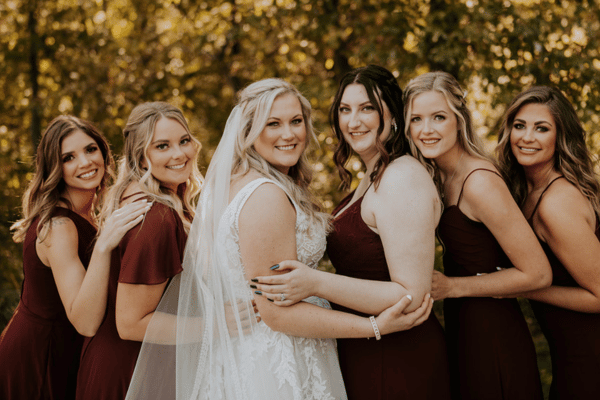
Once your outfits align, you can style the bridal party in a way that supports your vision. Aim for bridesmaid and groomsmen styling that feels connected to you both but does not overshadow your looks.
For example:
- If your gown and the groom’s attire lean modern, choose sleek silhouettes for the bridesmaids and clean tailoring for the groomsmen.
- If your style is romantic, soft fabrics like chiffon or tulle pair well with groomsmen suits in muted, natural tones.
- If you are incorporating bold colors or textures, keep the bridal party styling slightly more muted so your looks remain the focal point.
Your wedding party should feel like an extension of your unified vision.
8. Prepare for How Colors and Fabrics Photograph
Some colors and fabrics appear differently in photos than they do in person. When coordinating wedding looks, think about how each element will look on camera.
A few considerations:
Shiny fabrics reflect light.
Silk or satin can appear brighter in photos. If your gown has a lot of shine, it may be best for the groom to choose matte accessories for balance.
Deep colors absorb light.
Darker suits can create strong contrast, especially next to a bright ivory gown. A lighter tie or boutonniere can soften this contrast.
Patterns show differently on camera.
Subtle patterns may add depth in person but disappear in photos. If you want the groom’s pattern to stand out, choose a visible but tasteful design.
Undertones matter.
Warm ivory gowns look beautiful next to warm toned suits. Cool ivory pairs better with cooler grays or blacks. Test undertones together whenever possible.
Thoughtful photographic planning helps your coordinated look stay consistent across every setting, from natural light ceremonies to evening receptions.
9. Add Shared Personal Touches
Coordinating wedding looks is not only about visuals. It is also a chance to reflect shared personality and meaning.
Some meaningful connections include:
- Embroidered initials inside both outfits
- Matching fabric on your bouquet wrap and the groom’s pocket square
- Custom cufflinks that match your jewelry tone
- Shared symbols or motifs
- A bow tie or tie color that relates to your bouquet palette
- Subtle personalized charms or keepsakes
These details do not need to be visible to guests. They add depth to your experience and create moments your photographer can capture up close.
10. Create a Unified Look Without Feeling Overly Matched
The most successful coordinated wedding looks feel natural. They create harmony without sacrificing individuality. You want to look beautifully connected without appearing identical or staged.
To achieve this balance:
- Allow each partner’s personal style to shine.
- Choose a few intentional connections rather than many.
- Avoid repeating the same color too many times.
- Consider proportion and silhouette to ensure both outfits visually support one another.
A cohesive look does not mean losing your personal style. It means curating a shared visual direction that feels thoughtful and balanced.
Final Thoughts
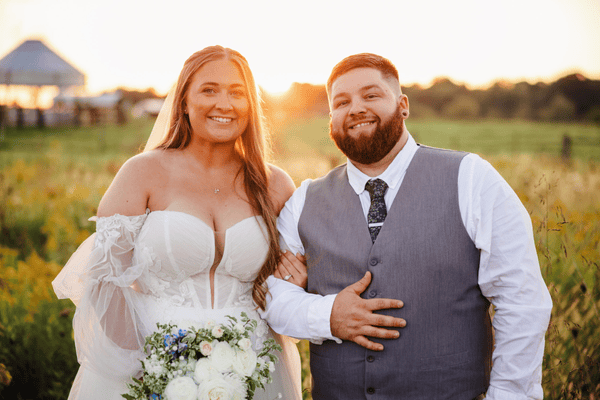
Coordinating wedding looks helps you create a wedding day aesthetic that feels unified, intentional, and beautifully aligned from every angle. By considering fabric, formality, color, and meaningful details, you and your partner can create a cohesive look that reflects who you are and looks picture-perfect.
If you are ready to begin shaping your overall aesthetic, Twirl Bride offers a curated selection of gowns and suits that make coordinating wedding looks easier and more intuitive. Their stylists can help you explore silhouettes, textures, and colors so you can create a cohesive look for yourself and your wedding party.
Your outfits do not need to match. They simply need to belong in the same story. Twirl Bride can help you create that story with confidence and style. Book your appointment today!